
Iranian official says prisoner swap deal with US ready for implementation
Iranian official says prisoner swap deal with US ready for implementation
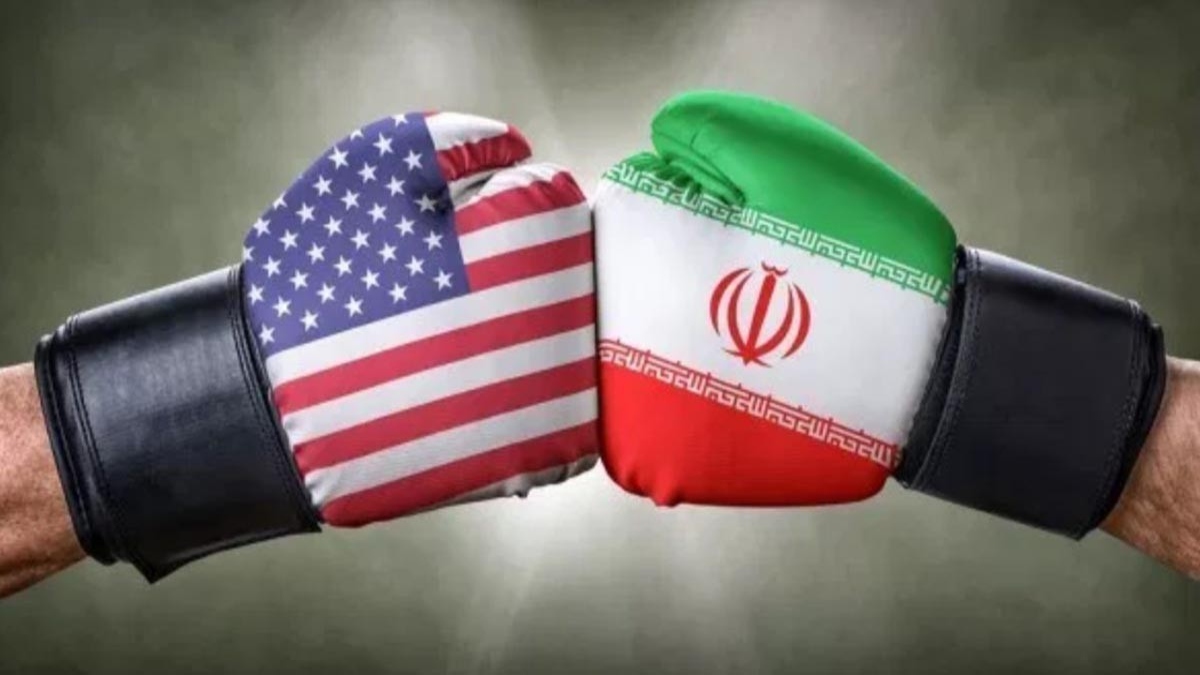
An unnamed Iranian official has announced that a prisoner swap deal between Iran and the United States is prepared for implementation. The official did not disclose specific details about the agreement, such as the number of prisoners involved or their identities, but it is speculated that the deal could include Iranian nationals held in US custody on sanctions violations and American citizens imprisoned in Iran on similar charges. The announcement comes amidst ongoing efforts by both countries to revive the 2015 nuclear deal, formally known as the Joint Comprehensive Plan of Action (JCPOA), which seeks to address Iran's nuclear program. Though it is unclear whether the prisoner swap deal is directly linked to the JCPOA negotiations, it may be viewed as a confidence-building measure between the two nations.
The news of the prisoner swap deal has garnered attention and raised hopes that the longstanding issue of detained individuals could be resolved, potentially paving the way for improved relations between Iran and the US. While it is challenging to ascertain the veracity and exact details of the proposed agreement at this point, it is worth examining the broader context and possible implications of such a deal.
Tensions between Iran and the US have persisted for decades, largely driven by disagreements over Iran's nuclear program, regional influence, and human rights concerns. These issues have contributed to a series of diplomatic and military standoffs, severely strained diplomatic ties, and resulted in the imposition of stringent economic sanctions on Iran. The JCPOA, signed in 2015 under the Obama administration, aimed to address these issues by lifting nuclear-related sanctions on Iran in exchange for its commitment to curtail its nuclear program and submit to robust international inspections.
However, in 2018, President Donald Trump unilaterally withdrew the US from the JCPOA, subsequently reimposing and even escalating sanctions on Iran. This decision, along with the 'maximum pressure' campaign, significantly strained US-Iran relations and pushed Iran to retaliate by violating certain provisions of the nuclear deal. With the election of President Joe Biden, there were hopes for a diplomatic breakthrough, and negotiations to revive the JCPOA commenced in April 2021 in Vienna.
In this context, the potential prisoner swap deal could be seen as a step towards building trust and fostering goodwill between the two nations. Managing the issue of prisoners has long been a point of contention between Iran and the US, with both countries accusing each other of unjust detentions and human rights abuses. The release of prisoners, particularly those held on charges related to sanctions violations, could serve as a tangible demonstration of Iran's willingness to cooperate and build bridges with the Biden administration, which has expressed a desire to return to the JCPOA.
While the details of the proposed prisoner swap are not yet known, there have been several instances of such exchanges between the two countries in the past. One notable example is the successful swap in 2016, where four American detainees in Iran were released in exchange for seven Iranians held in the US on sanctions-related charges. Similarly, in 2019, the US released Iranian scientist Massoud Soleimani in exchange for American researcher Xiyue Wang, who was detained in Iran for spying charges.
Past prisoner exchanges have proven to be politically sensitive. Critics argue that they can inadvertently incentivize hostage-taking, while others contend that they provide opportunities for broader diplomacy and potentially pave the way for improved relations. Evaluating the potential impact of the prisoner swap deal necessitates considering both perspectives and carefully assessing the specific circumstances of each case.
For Iran, the release of its nationals held in US custody is a deeply significant issue. The arrest and imprisonment of Iranians on sanctions-related charges have been a longstanding point of contention between the two countries. Iran views these arrests as politically motivated and a means for the US to exert pressure on the Iranian government. Consequently, securing the release of these prisoners would not only be a humanitarian victory for Iran, but it could also be seen as an acknowledgment by the US that these incarcerations were unjust in the first place.
On the other hand, the US has repeatedly voiced concerns about Iran's human rights practices and the treatment of detainees. Cases such as that of Iranian-American businessman Siamak Namazi and his father, Baquer Namazi, have been instrumental in exacerbating the tension between both nations. These individuals were arrested in Iran on charges of collaborating with a hostile state, despite their claims of innocence. Instances like these have contributed to negative perceptions of Iran's judicial system and have been a barrier to any potential rapprochement.
While there is no doubt that a prisoner swap deal would bring immense relief to the individuals who have been languishing in detention, it is essential to acknowledge that resolving the issue of detainees alone is not sufficient to address the complex web of issues plaguing US-Iran relations. The JCPOA negotiations, for instance, highlight the broader concerns related to Iran's nuclear program and ambitions. Any long-term improvement in bilateral relations would require sustained dialogue and progress on these key issues.
With regards to the JCPOA negotiations, it is important to note that the prisoner swap deal has not been explicitly linked to these talks. Nevertheless, it is possible that the announcement of a potential prisoner exchange is a calculated move by Iran to demonstrate its readiness to engage constructively with the US on multiple fronts. By addressing the issue of detainees, Iran could be aiming to create an atmosphere conducive to progress in the nuclear talks and simultaneously send a positive signal to other actors in the region.
The US response to the proposed prisoner swap deal is yet to be seen, but it is likely that the Biden administration would view this as a positive development. President Biden has expressed his commitment to diplomacy and has emphasized the need to revive the JCPOA. Given his administration's focus on human rights and the rule of law, securing the release of American detainees in Iran would be a significant foreign policy win for the president.
the potential deal as a concession to the US and criticize the Iranian government for compromising on its principles. Similarly, in the US, critics who advocate for a tough stance on Iran may argue that the proposed prisoner swap does not go far enough in addressing broader concerns related to Iran's human rights record and regional activities. Balancing these domestic pressures and interests will be crucial for both governments as they navigate the complex path of implementing the prisoner swap deal.
Additionally, the implementation of any prisoner swap agreement would require cooperation and coordination between various governmental agencies and the judicial systems of both countries. Legal procedures, including the review of charges, evidence, and the approval of the release of prisoners, would need to be undertaken. This process could be time-consuming and intricate, but it is crucial to ensure that the rights and well-being of the individuals involved are protected.
Furthermore, it is worth considering the potential impact of a prisoner swap deal on the broader US-Iran relations and the nuclear talks. While the release of prisoners could serve as a positive gesture, it is unlikely to single-handedly resolve the deep-rooted disagreements between both countries. The nuclear negotiations in Vienna will continue to be the primary mechanism for addressing the broader issues of Iran's nuclear program and the subsequent lifting of US sanctions.
The prisoner swap deal, if implemented, could create a more favorable atmosphere for the negotiations and underscore the potential for constructive engagement between the US and Iran. It could build trust and goodwill, providing a foundation for future cooperation and the potential resolution of other longstanding disputes.
Lastly, the proposed agreement raises broader questions about the treatment of detainees and the effectiveness of sanctions as a tool of diplomacy. The detention of individuals on sanctions-related charges has been a contentious issue, with critics arguing that it disproportionately affects ordinary citizens and impedes diplomacy. The potential prisoner swap deal highlights the need for a more nuanced approach to sanctions and highlights the importance of addressing human rights concerns in diplomatic negotiations.
In conclusion, the announcement of a ready-to-implement prisoner swap deal between Iran and the United States has raised hopes for the resolution of the longstanding issue of detained individuals and the potential for improved relations. While the details of the agreement remain undisclosed, past prisoner exchanges, such as the 2016 swap, demonstrate that such deals are possible and can serve as confidence-building measures between the two nations. However, it is crucial to recognize that the prisoner swap deal alone is not sufficient to address the complex issues plaguing US-Iran relations, including Iran's nuclear program and regional activities. Successful implementation would require navigating domestic politics, legal processes, and continued efforts to revive the JCPOA. If executed effectively, the prisoner swap could foster an atmosphere of trust and goodwill, facilitating progress in broader negotiations while highlighting the importance of human rights and judicial fairness in diplomatic engagements.


